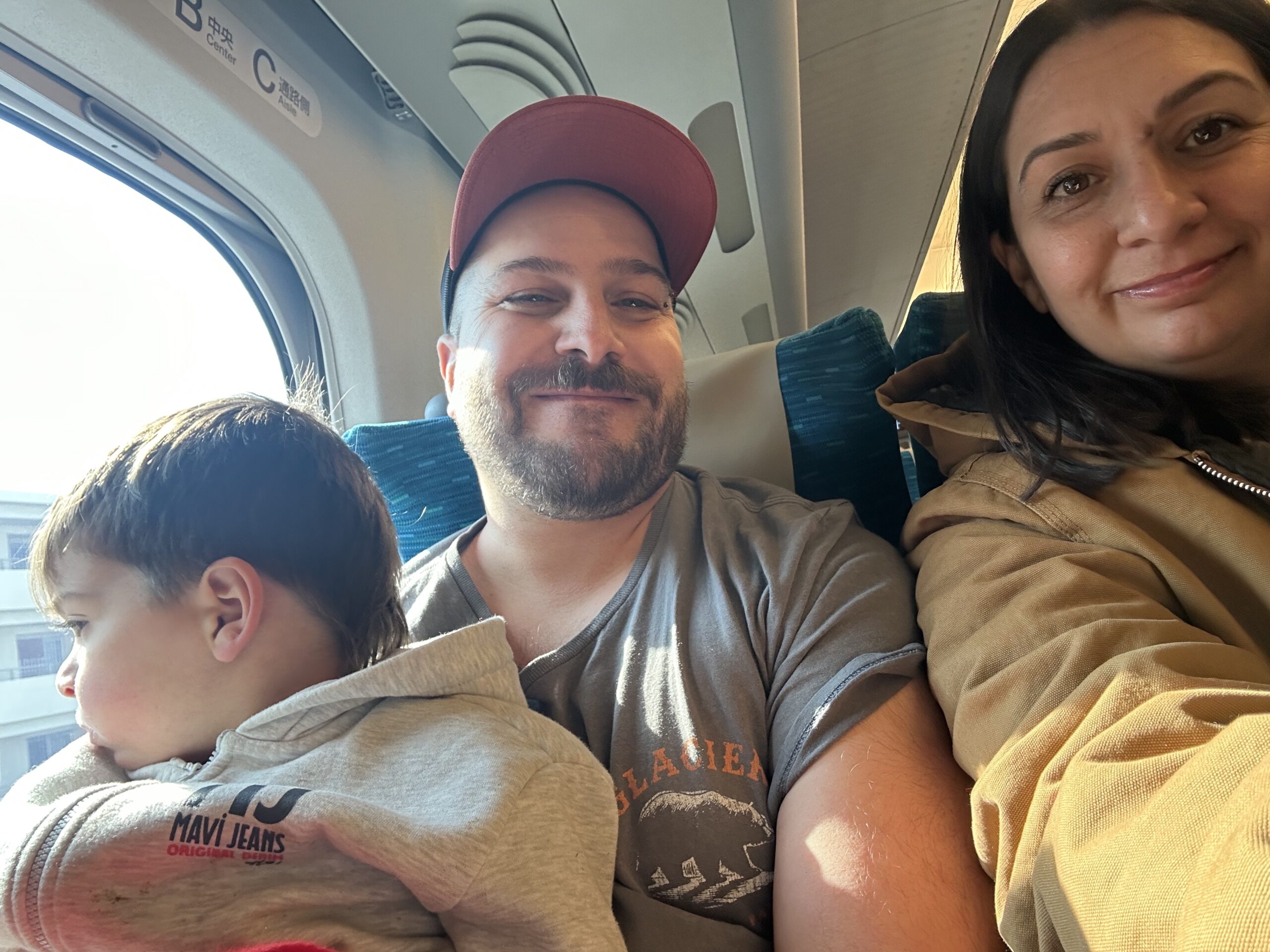
We just returned from our family trip to Japan, splitting our time between Tokyo and Kyoto, and traveling to Japan with a toddler was as incredible as it was exhausting. The kind of trip where your days are full, your steps are high, and your child is somehow thriving on it all. I expected the logistics to be challenging, but what I didn’t anticipate was how intentionally Japan accommodates families often in quiet, thoughtful ways you only notice once you’re navigating the country with a small human in tow. From pristine public restrooms and stroller-friendly workarounds to built-in moments of play and rest, these toddler-friendly details made a real difference during our trip. Below are the notes I kept along the way of the things that surprised me most, saved us time, and made traveling Japan with a toddler not just doable, but genuinely enjoyable.
1. Elevators & Navigating Train Stations With a Stroller
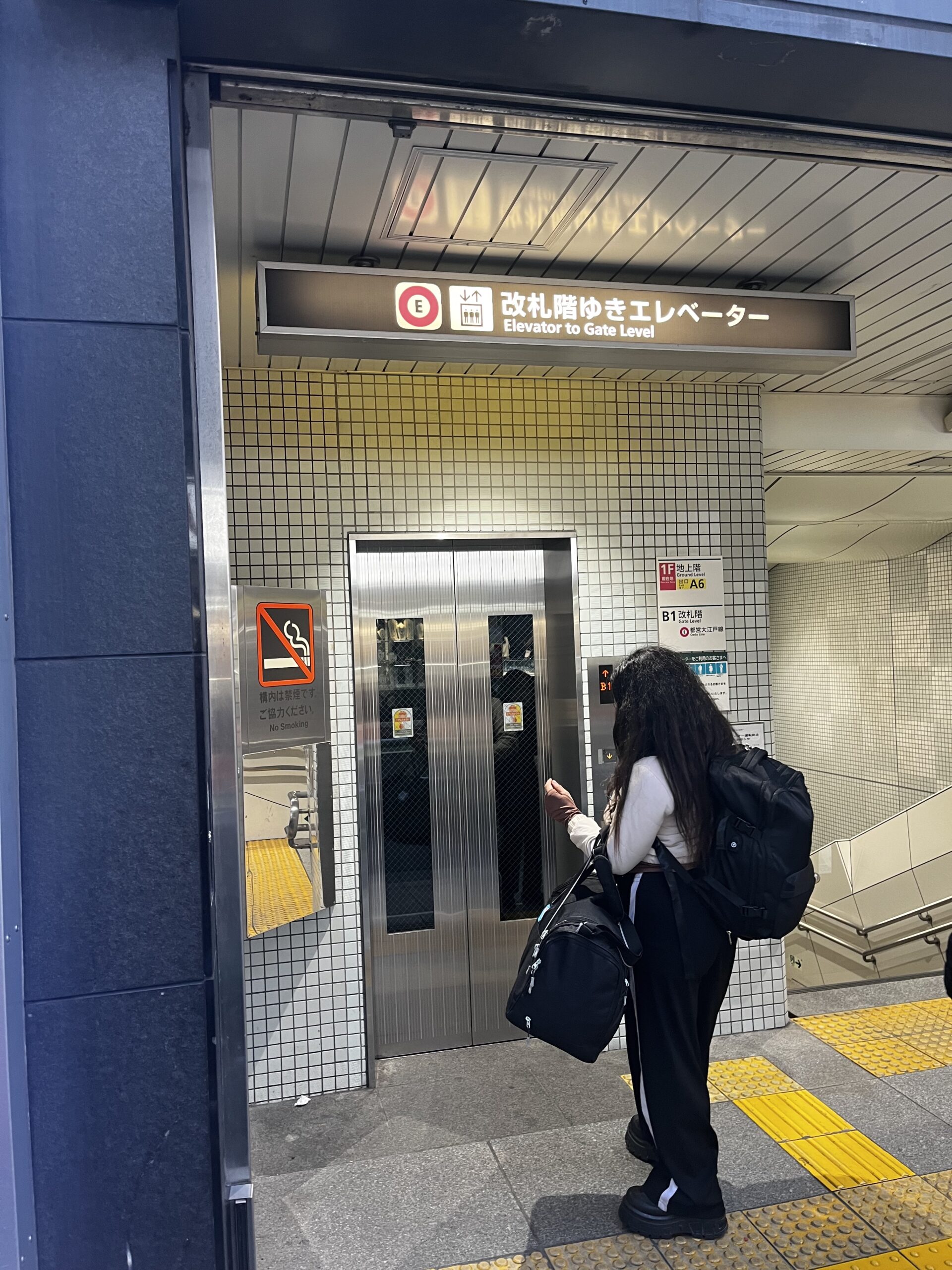
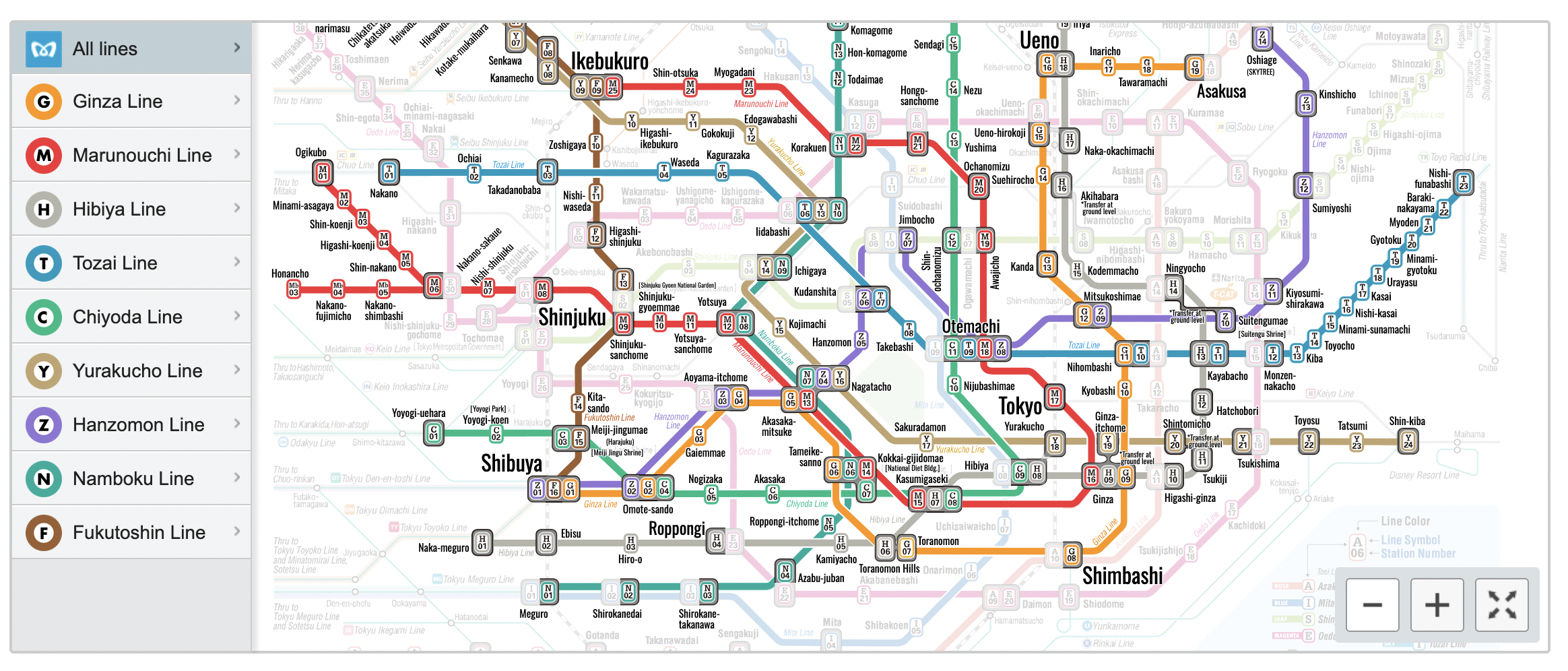
A stroller with a toddler is a must in Japan, especially if you plan to use the subway or light rail. Be prepared for multiple transfers, different levels, and navigating through various turnstiles. While elevators are clearly marked, finding the right one to access your platform can sometimes feel like a dead end.
Of course, your toddler can walk short distances, but if they’re sleeping or buckled in and you don’t want to take them out, accessibility matters. If you can’t find an elevator from your side of the turnstiles, you’ll likely need to pass through a gate that may not be the platform you need.
Every set of turnstiles has a station attendant in a booth, just let them know where you’re trying to go and that you need elevator access. They’re incredibly helpful and will point you in the right direction or open a gate for you. In our experience, communication was easy, but it helps to have the platform name pulled up on your phone and to clearly point to the stroller.
- Elevators exist for each platform, but they’re not always obvious
- Many stations require going through the turnstiles to access elevators
- Pro tip: ask the station guard (they’re incredibly helpful and kind)
- Staff will often escort you, open gates, or point you to hidden elevators
2. Public Family Toilets Are Everywhere (and Spotless)
I know a lot of people say this, but Japan really is ridiculously clean. Kyoto was absolutely spotless, and Tokyo, despite the sheer number of people, was impressively clean as well. That same standard applies to public restrooms, which are clean, spacious, and often equipped with smart toilets.
Nearly every public restroom we encountered had a dedicated family bathroom complete with changing tables and high-tech toilets. I’m talking heated seats, fully functioning bidets even in most parks. Many stalls also provide a special cleaning solution so you can wipe down the seat between uses.
Our toddler is recently potty trained, so this was something I stressed about before the trip. I almost packed our travel potty, but there was absolutely no need. You will always find a clean, accessible bathroom when you need one.
And for fellow boy moms: many women’s restrooms even have toddler-sized urinals for quick and easy access. Japan truly thinks of everything.
3. Capsule Toys & Vending Machine Joy
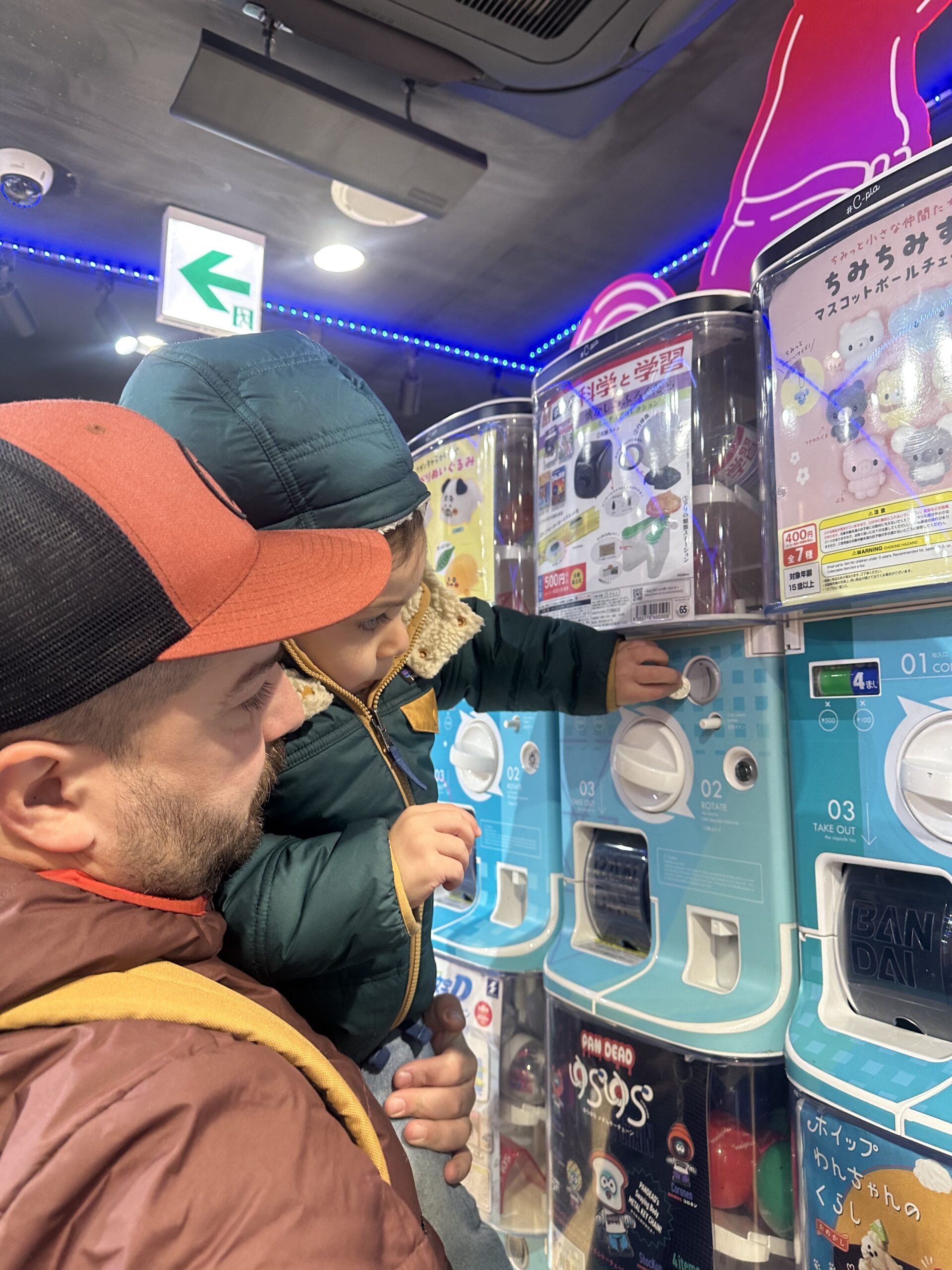
Gachapon or vending machine capsule toy stores are everywhere in Tokyo and are honestly so entertaining. These shops are filled wall-to-wall with vending machines, each costing around 300–500 yen per turn. And these aren’t your typical quarter-machine bouncy balls or plastic yo-yos, the toys are surprisingly high quality.
You’ll find everything from name-brand characters like Sesame Street and Thomas the Train to detailed doll accessories and mini collectibles. Our son was obsessed with pushing the stop button on the city bus in Kyoto, and of course there was an actual capsule toy of the bus stop button. We had to get it. Instant gratification at its finest.
Gachapon machines are a fun, inexpensive way to keep your kid entertained while traveling. Just know they’re everywhere, so it helps to set some boundaries ahead of time, whether that’s limiting how often you stop or how many turns they get.
4. Nursing & Baby Rooms in Subway Stations
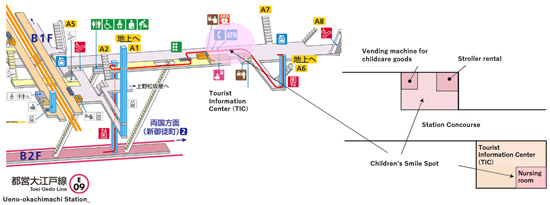
Nursing and baby rooms are easy to find throughout subway stations in Japan, making feeding on the go completely stress-free. These spaces are private, spotless, and thoughtfully designed, with designated areas for nursing, bottle prep, and diaper changes. Clear signage makes them easy to locate, and having access to such well-equipped facilities removes so much of the anxiety that can come with traveling with a baby or toddler. Some stations also have vending machines dedicated to baby products like diapers, disinfecting wipes, baby formula.) You can also rent strollers at some.
Train stations that have a nursing room in Tokyo:
- Shinjuku Nishiguchi Station – Toei Oedo Line
- Yurakucho Station – Muji Store
- Ginza Station – Ginza SIX Baby Room
Train stations that have a nursing room in Kyoto:
- Kyoto Porta
Nursing Area on the Shinkansen Bullet Train
- Cars 7 or 11, or 12 on some lines catagorized as private multi-purpose rooms
5. Bring a Lightweight Stroller (You’ll Thank Yourself)
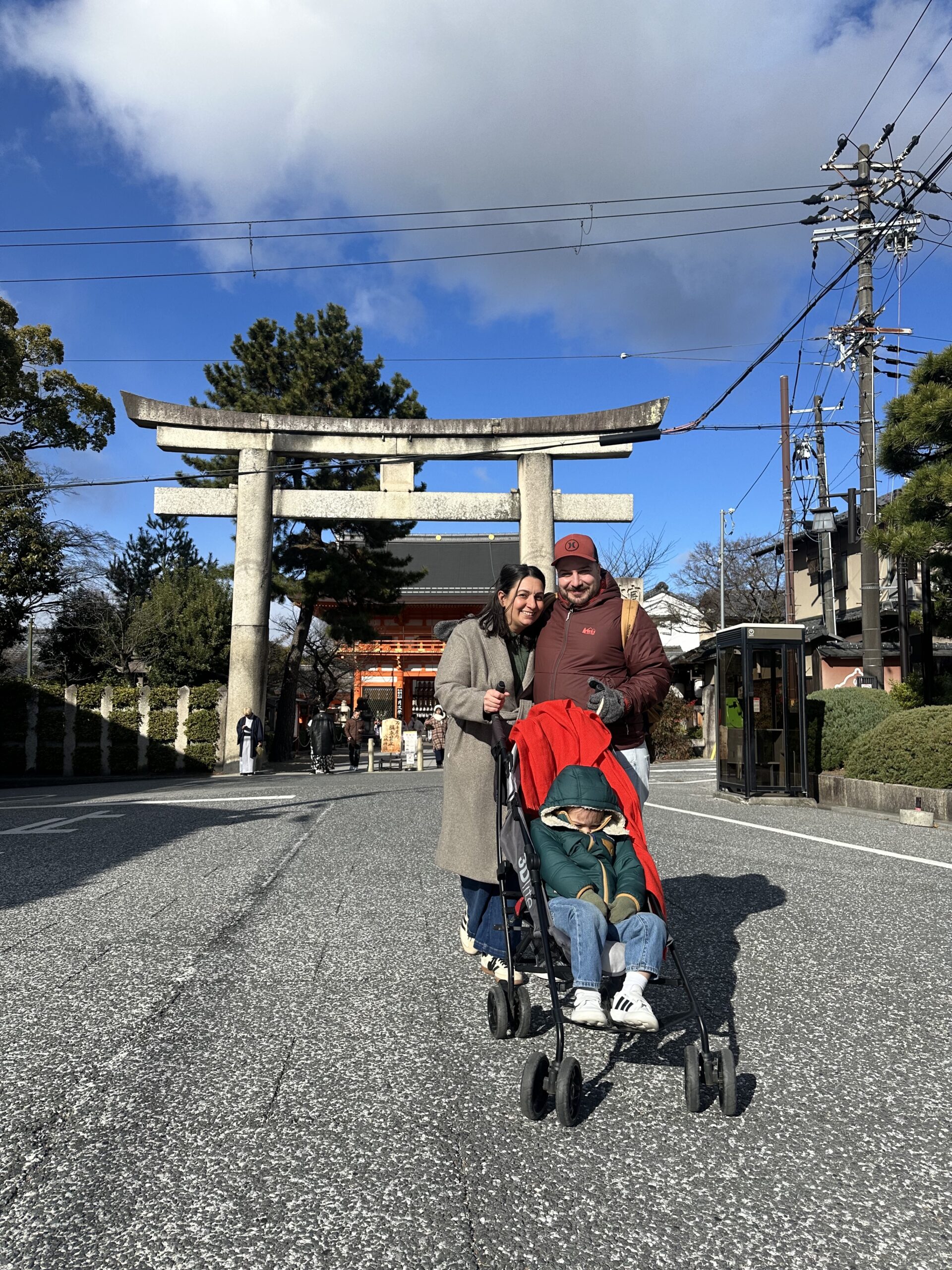
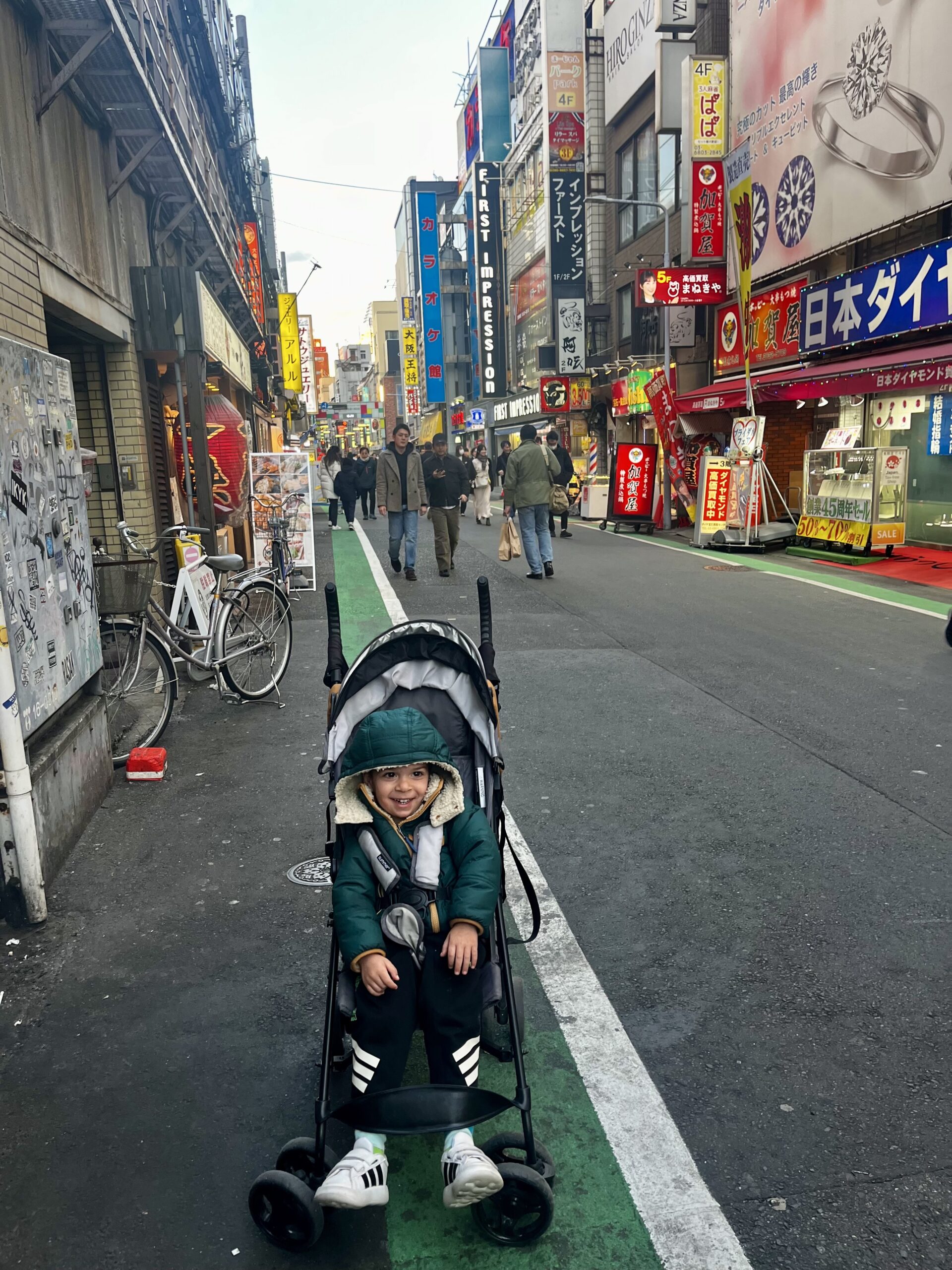
Right before our trip, I picked up a lightweight summer stroller on Facebook Marketplace since our regular stroller isn’t very light or compact. I highly recommend doing this especially given how much public transportation you’ll likely be using and how often you’ll be navigating narrow streets and large crowds. Having a lighter, more compact stroller made getting around so much easier.
6. Pack a Small Cutlery Set for Non-Chopstick Pros
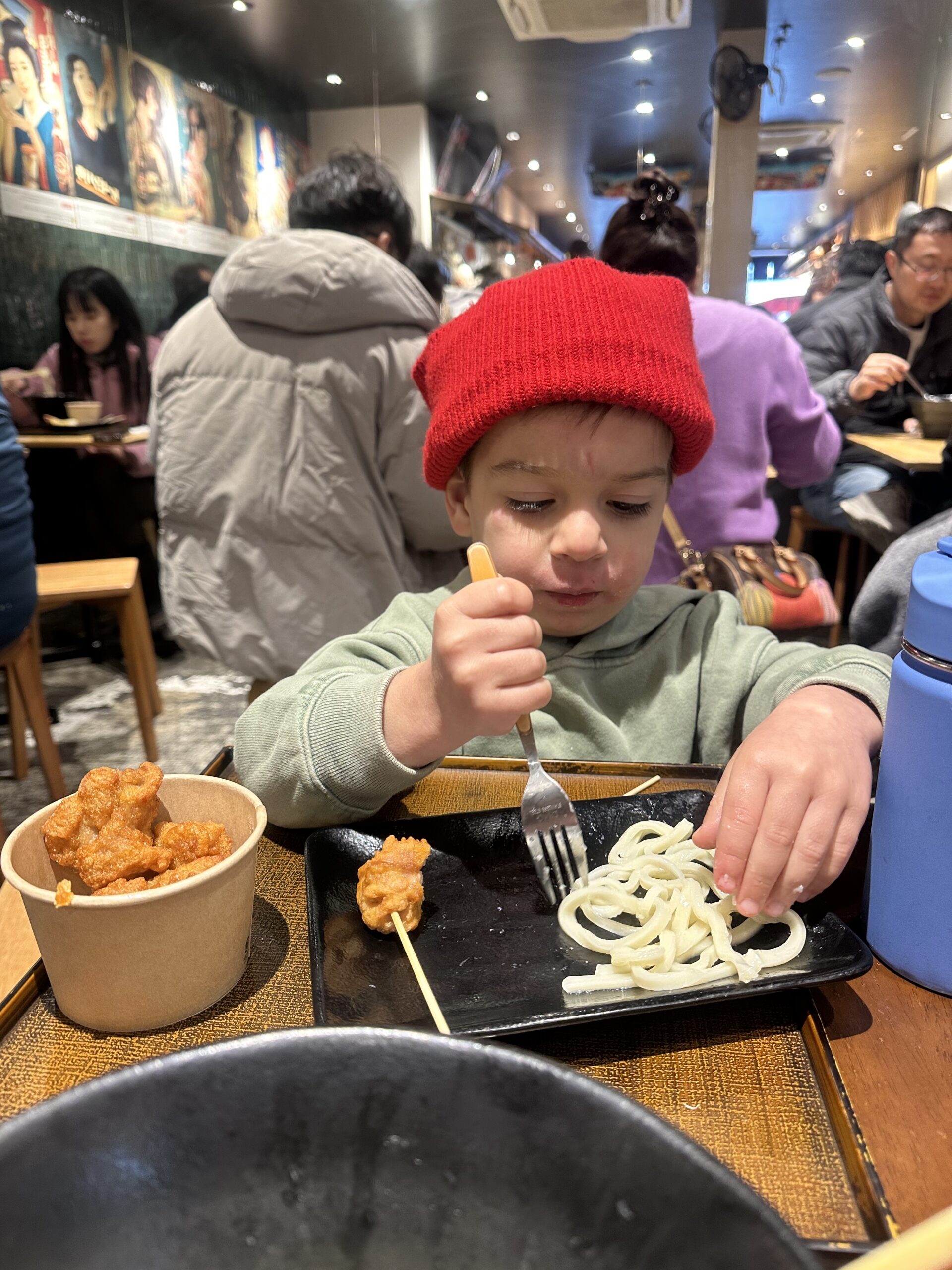
Not all restaurants automatically provide forks or spoons, so bringing a small set of kid-safe utensils can make mealtimes much smoother. They’re especially helpful for noodles, rice dishes, and shared meals saving you from juggling chopsticks with a hungry toddler. As a bonus, reusable utensils are eco-friendly and easy to toss in your day bag.
7. Airport Playgrounds to Kill Time
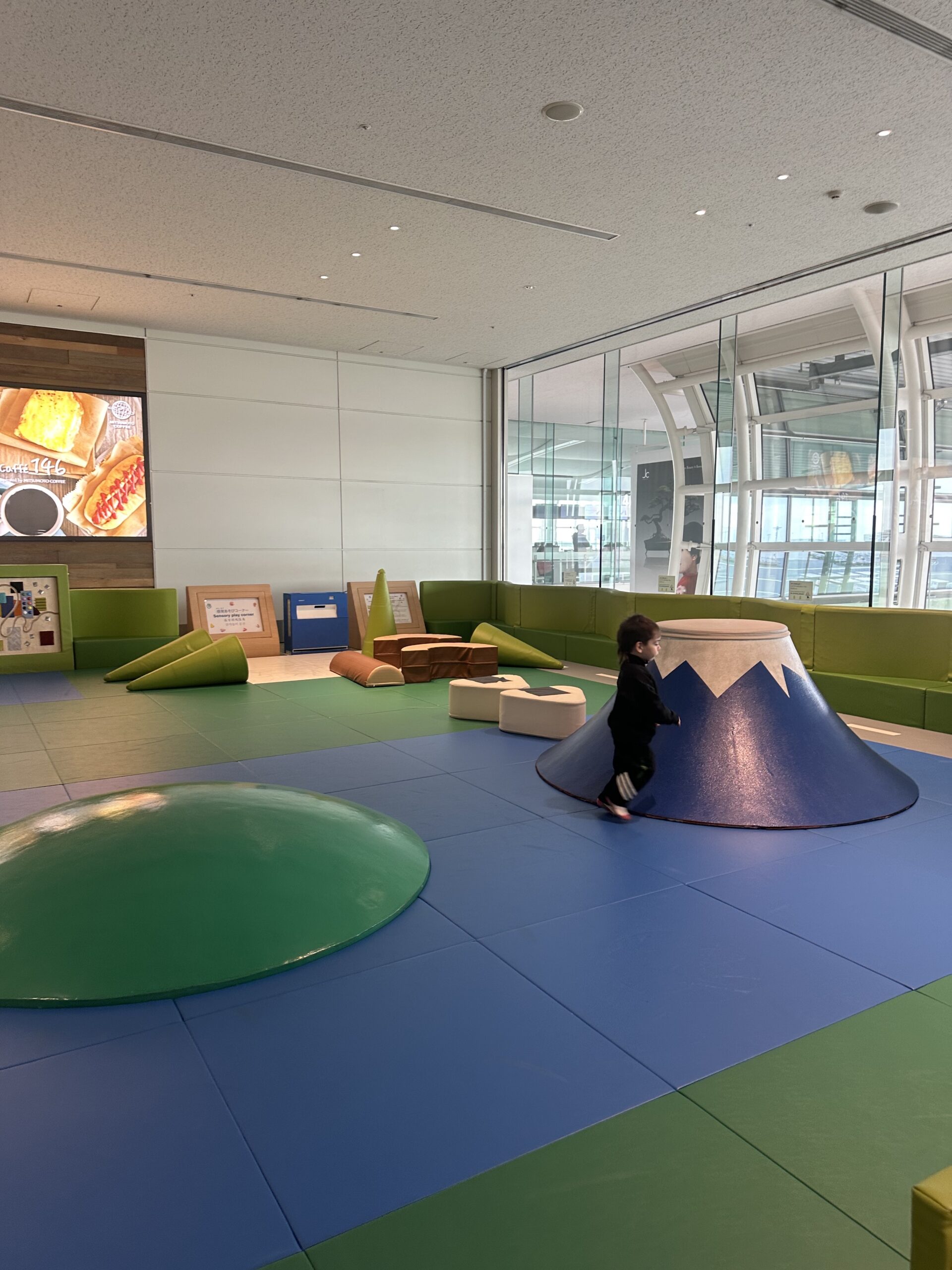
Many major Japanese airports have dedicated kid play areas, making long layovers and pre-flight waits much easier with a toddler. At Haneda Airport, for example, you’ll find soft-play sensory playgrounds across Terminals 1, 2, and 3. These spaces are perfect for killing time and letting little ones burn off energy before boarding
In Conclusion…
Traveling to Japan with a toddler isn’t without its challenges, it’s busy, stimulating, and definitely exhausting, but it’s also incredibly rewarding. What stood out most to us in Tokyo and Kyoto was how intentionally Japan supports families in the small, everyday moments: clean and accessible restrooms, nursing rooms in transit hubs, stroller-friendly solutions, and built-in ways to keep little ones entertained. Those thoughtful details removed so much of the usual stress that comes with traveling with a toddler and allowed us to focus on actually experiencing the trip together. If you’re on the fence about visiting Japan with a young child, consider this your sign. It’s not only doable, it’s an experience you’ll likely remember far longer than the jet lag.
Additional Resources and Links for Japan:
Haneda Airport information for Kid’s Space and Baby Facilities
Narita Airport information for Kid’s Space
Renting Strollers from Babycal at the Ueno-Okachimachi Station in Tokyo
Renting Strollers from Babycal near Kyoto Porta at the Kyoto Station
If you enjoyed this post, why don’t follow Adrift Anywhere on Facebook or subscribe to get updates on budgeting tips, travel advice and tips!